Why AI Is Not Just for Big Tech: Practical Automation for Broken Arrow Shops
If you follow the news, AI sounds like something built exclusively for multi-billion dollar tech giants in California. You hear about massive data centers, complex neural networks, and automated warehouses. For a business owner in Broken Arrow or Tulsa, that version of AI feels like science fiction. It does not help you get through your Tuesday morning to-do list.
The truth is that the most effective AI today is not some giant brain in a vat. It is a set of practical tools that handle the repetitive, boring, and time-consuming tasks that keep you from growing your business. We call this AI automation for local business. It is about reclaiming your time and making sure no lead falls through the cracks while you are busy running your shop.
What Practical AI Actually Looks Like
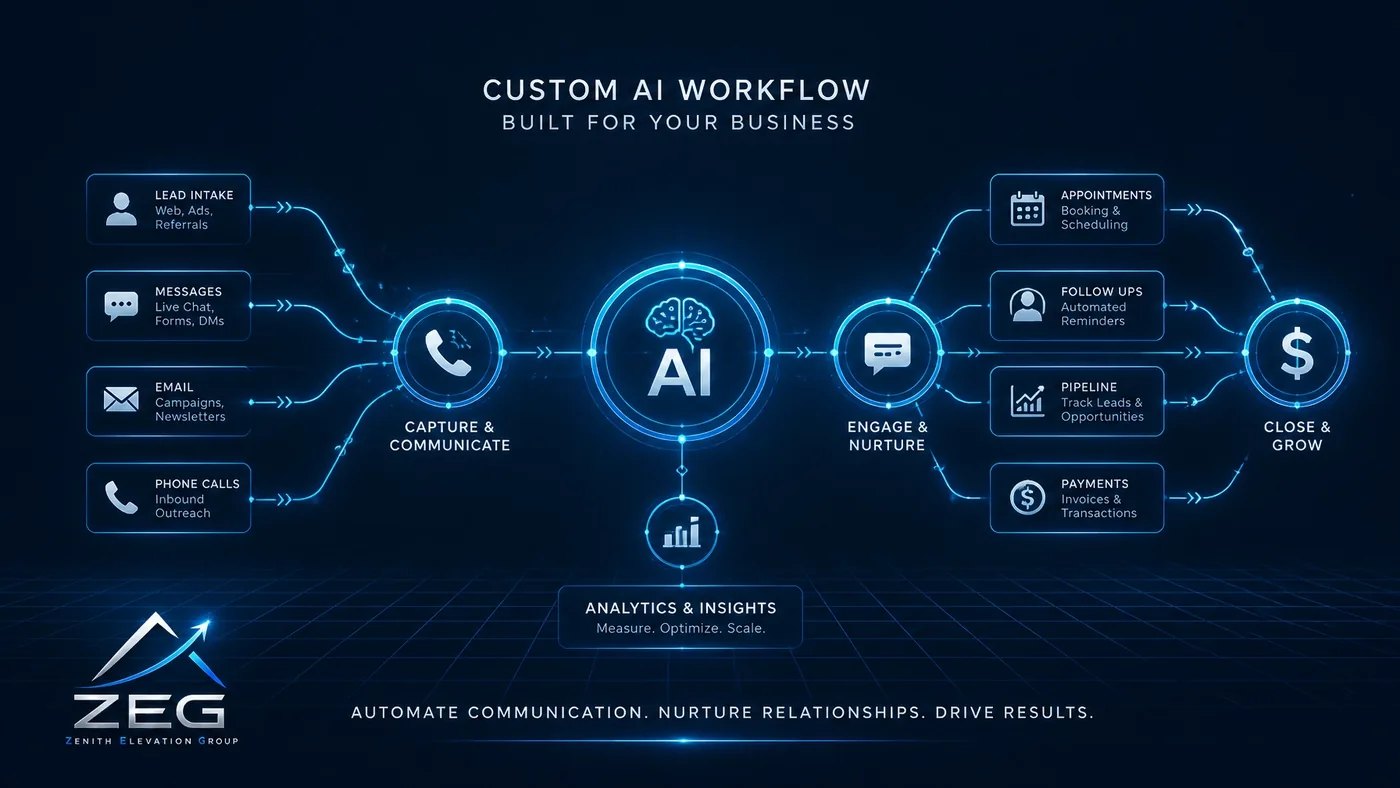
Most small business owners are wearing five different hats. You are the CEO, the marketing department, the customer service rep, and often the person sweeping the floors. When people talk about AI in a local context, they are usually talking about custom AI integration for business. This means taking existing tools and making them talk to each other so you do not have to.
Practical automation is not about replacing your staff. It is about giving your staff their time back. It is about automating the busy work like answering the same three questions about your hours, your pricing, or your service area. If a machine can answer a routine question at 9:00 PM on a Sunday, you do not have to.
The 24/7 AI Receptionist
Think about the last time you missed a call because you were with a customer or out on a job site. In a town like Broken Arrow, people want answers fast. If they call and get your voicemail, they often just hang up and call the next person on the Google search results.
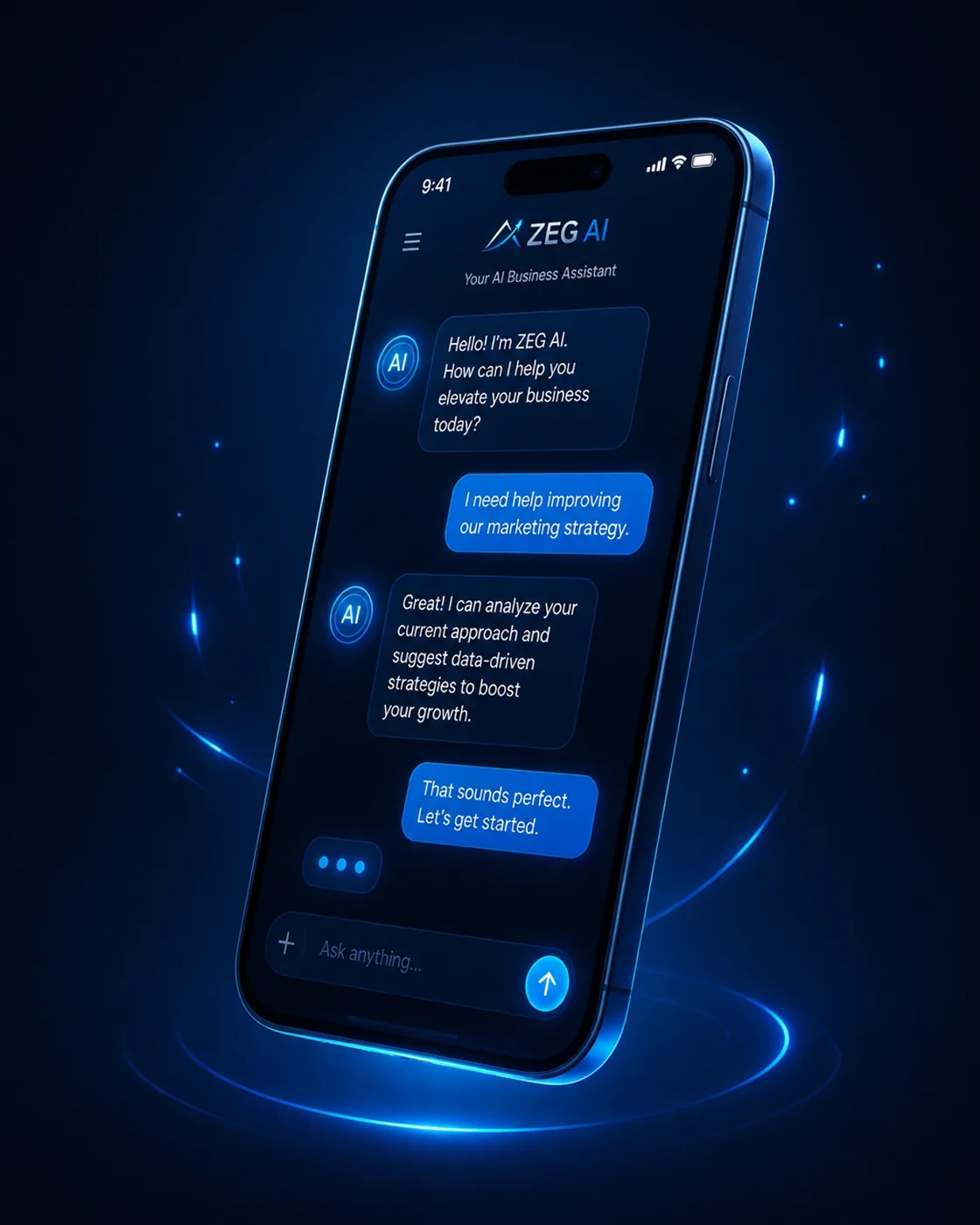
A custom AI integration can act as your 24/7 receptionist. It can live on your website as a chat widget or even handle incoming text messages. When a potential customer asks "Do you do residential plumbing?" or "What are your hours in the Rose District?", the AI handles it instantly.
If the AI cannot answer the question, it captures the lead's name, phone number, and specific request. You get a clean notification on your phone, and the customer feels like they have been heard. This is the difference between a lost opportunity and a new client. You can find more details on how we map these out on our AI consultation page.
Automating the Scheduling Loop
Scheduling is one of the biggest time-wasters in any service-based business. The back-and-forth emails or texts to find a time that works for everyone can eat up hours across a week.
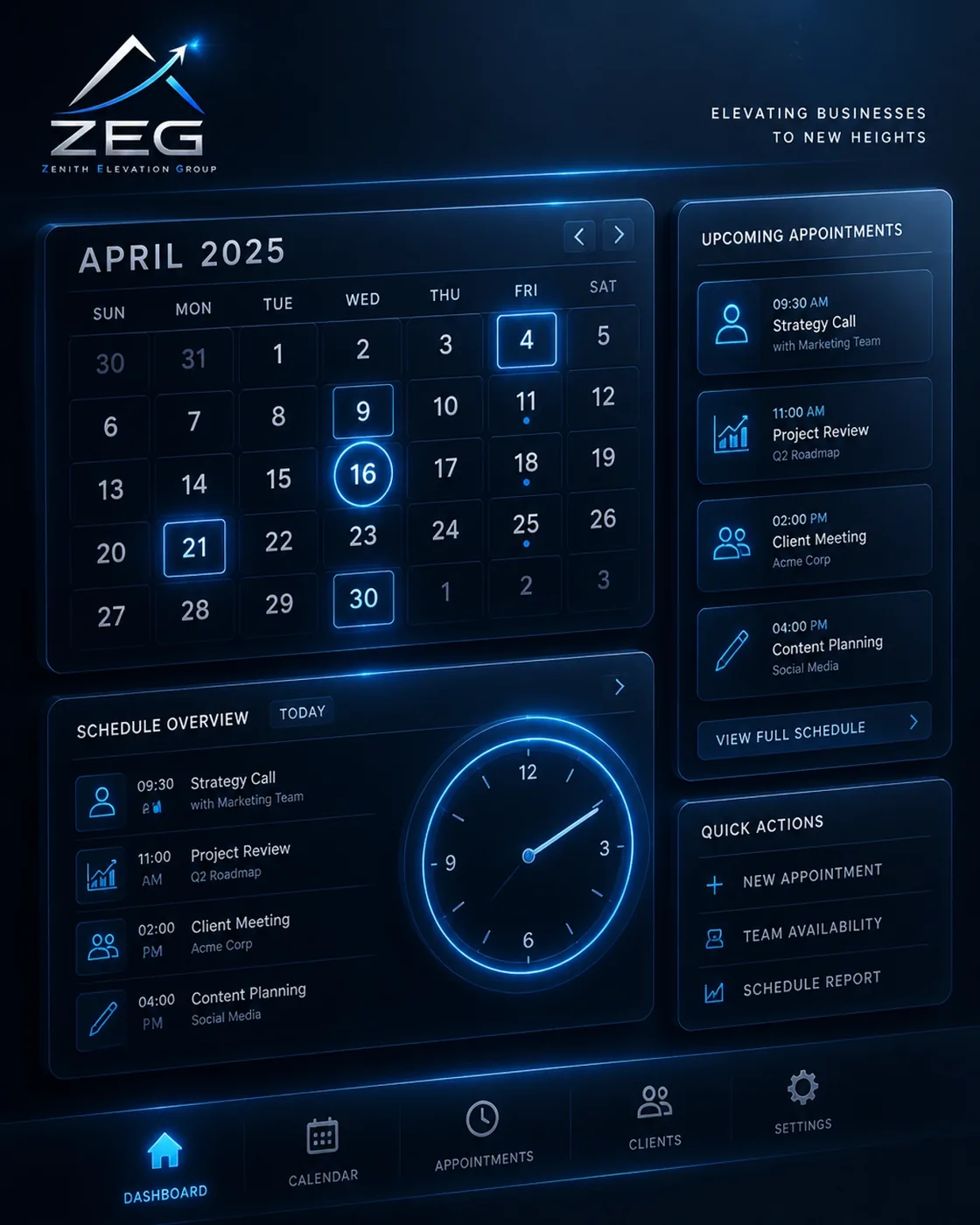
Practical automation allows your website to handle the entire scheduling process. When a lead is qualified by your AI receptionist, it can immediately offer them a link to your calendar. The customer picks a time, the appointment is added to your Google or Outlook calendar, and a confirmation text is sent automatically.
This is not just for tech-forward businesses in downtown Tulsa. It works for barbershops, HVAC contractors, and boutique retail. By the time you look at your schedule in the morning, you already have new appointments booked and confirmed. No phone tag required.
Getting Paid Without the Chasing
Invoicing and follow-ups are another area where automation earns its keep. For many local shops, sending out invoices is a task that gets pushed to the weekend. Then comes the manual process of checking who has paid and sending gentle reminders to those who have not.
With a properly integrated system, an invoice can be generated the moment a job is marked complete. If payment is not received within a set number of days, the system sends a follow-up text or email with a direct payment link.
This keeps your cash flow steady without you having to play debt collector. It is a professional, consistent way to handle the financial side of your business while you focus on the actual work.
A 30-Day Plan for Local Automation
You do not need to automate your entire business overnight. Trying to do too much at once is a reliable path to frustration. A practical approach involves three steps:
- Audit your time: For one week, write down every task that takes more than 15 minutes and feels repetitive. This usually includes answering FAQs, scheduling, and invoicing.
- Pick one problem: Choose the single biggest headache. If you are losing leads because you cannot answer the phone fast enough, start with a lead capture bot.
- Test and refine: Run the automation for 30 days. See how many leads it catches and how much time it saves you.
Once that first piece is working, move on to the next. This incremental approach keeps the technology working for you, not the other way around.
The Local Advantage
Some business owners worry that AI makes their business feel cold or impersonal. In reality, it does the opposite. By automating the mechanical parts of your operation, you have more energy for the high-quality, personal service that Broken Arrow businesses are known for.
When you are not stressed about a pile of unreturned messages or a stack of unsent invoices, you can actually talk to your customers. You can focus on the craftsmanship and community relationships that no software will ever replicate.
AI is simply a tool to clear the path. It allows a small local shop to operate with the efficiency of a much larger company while keeping the character of a small business intact.
If you are wondering where this fits into your overall digital strategy, it helps to look at the foundational costs first. Our guide on how much a small business website costs walks through how these features integrate with a professional site.
Next Steps for Your Business
Automation is no longer a luxury for the Fortune 500. It is a practical option for the local shop owner who wants to stay competitive and avoid burnout. The tools are available, they are cost-effective, and they are ready to work for you.
If you want to see where automation could have the biggest impact on your business, reach out and we will take a look together. No high-pressure sales tactics, just a straight conversation about where you stand.